
In our daily lives, we create different types of waste, from food scraps and garden clippings to plastics, chemicals and old household goods. Proper waste disposal isn’t just about keeping things tidy; it helps protect the environment, reduce pollution and conserve natural resources.
Victoria has strict rules about how waste is sorted and managed. Knowing what type of waste you have and how to dispose of it is key to reducing your environmental impact and helping create a more sustainable future.
Here’s a simple guide to common waste types and the best ways to manage them.
Organic waste
Organic waste includes natural materials that decompose naturally. If managed well, it can be composted and returned to the soil.
Examples:
- Food scraps
- Garden waste
- Crop residues
- Biodegradable waste
Why it matters:
Organic waste in landfills produces methane, a harmful greenhouse gas. Composting reduces pollution and returns nutrients to the soil.
Best practice tips:
- Use a green waste bin or compost at home
- Avoid mixing with plastic or other rubbish
- Check council composting and garden waste programs
Green waste
Green waste refers to garden materials, such as clippings and other mostly organic matter.
Examples:
- Lawn clippings
- Tree prunings
- Food scraps
Why it matters:
When sent to landfill, green and food waste contribute to methane emissions and water pollution.
Best practice tips:
- Use green waste bins or compost
- Keep free of plastic and non-organic materials
- Contact your council for local collection options
Food waste
Food waste is a major issue in households and businesses.
Examples:
- Leftovers
- Expired food
- Used cooking oil
Why it matters:
Wasted food wastes natural resources like water and energy used to produce it.
Best practice tips:
- Compost or use food recycling services
- Never pour cooking oil down the drain
- Reduce food waste with careful planning

Liquid waste
What it is:
Liquid waste includes any unwanted or contaminated water and fluids from households, businesses or industrial activities.
Examples:
- Used cooking oil and grease
- Wash water from cleaning or industrial processes
- Chemicals and solvents
- Wastewater from homes and factories
Why it matters:
Improper disposal can pollute waterways, harm aquatic life and affect human health. Some liquid waste contains harmful chemicals that need special handling.
Best practice tips:
- Never pour cooking oil or chemicals down drains
- Use designated disposal points for hazardous liquids
- Follow local council guidelines for wastewater and liquid waste
Recyclable waste
Recyclable waste includes materials that can be reprocessed into new products.
Examples:
- Glass bottles
- Clean plastic containers
- Cardboard and paper
Why it matters:
Recycling helps conserve natural resources, reduces landfill waste and supports the circular economy.
Best practice tips:
- Only place clean items in your recycling bin
- When unsure, check local recycling guides
- Keep recyclables separate from general waste
Plastic waste
Plastic waste comes from many household and commercial activities and is a major environmental threat.
Examples:
- Single use plastics
- Packaging materials
- Plastic bags and containers
Why it matters:
Plastics don’t decompose naturally and pollute waterways, harming wildlife and ecosystems.
Best practice tips:
- Use your recycling bin for clean plastics
- Avoid mixing with organic or general waste
- Support container deposit schemes

Glass waste
Glass is endlessly recyclable but must be handled right.
Examples:
- Bottles and jars
- Glass packaging
Why it matters:
Glass in landfill wastes resources and can be hazardous.
Best practice tips:
- Rinse and place in recycling bins
- Never mix with general or organic waste
- Use container deposit schemes where available
General waste
General waste includes everyday rubbish that can’t be recycled or composted.
Examples:
- Contaminated packaging
- Broken household items
Why it matters:
General waste should be minimised to reduce landfill and environmental harm.
Best practice tips:
- Reduce waste by recycling and composting
- Don’t mix hazardous or recyclable items
- Use approved disposal methods
Textiles and clothing waste
Textiles create a huge amount of waste and are often discarded incorrectly.
Examples:
- Old clothing
- Fabric scraps
Why it matters:
Textiles take years to decompose and contribute to landfill waste.
Best practice tips:
- Donate wearable items
- Use textile recycling services
- Avoid throwing textiles in the bin
Agricultural waste
What it is:
Agricultural waste comes from farming and food production activities. It includes leftover organic material as well as packaging and chemicals used in farming.
Examples:
- Crop residues (like stalks and husks)
- Animal manure
- Pesticide containers
- Used cooking oil from farm food production
- Fertiliser bags
Why it matters:
If not managed properly, agricultural waste can lead to water pollution, soil damage and harm to wildlife. It can also carry harmful chemicals into natural waterways.
Best practice tips:
- Compost organic waste where possible
- Dispose of chemical containers through approved programs
- Follow local agricultural waste disposal guidelines

Commercial waste
What it is:
Commercial waste is rubbish generated by businesses, shops, offices and commercial activities. It can include everything from packaging materials to office furniture.
Examples:
- Packaging materials
- Office waste (like paper, plastics, electronics)
- Food waste from cafes and restaurants
- Waste from retail or hospitality businesses
Why it matters:
Commercial waste can be a mix of recyclable, organic and hazardous materials. If not separated and disposed of properly, it increases landfill and environmental impact.
Best practice tips:
- Set up proper recycling programs at work
- Dispose of e-waste and hazardous items responsibly
- Use approved commercial waste collection services
Hazardous and toxic waste
Hazardous waste contains harmful chemicals or materials that pose a risk to human health or the environment.
Examples:
- Chemical waste
- Medical waste
- Aerosol cans
- Paints and solvents
Why it matters:
Improper disposal can cause water pollution, soil contamination and health risks.
Best practice tips:
- Never place in general or green waste bins
- Use specialised hazardous waste services
- Check council drop-off points for safe disposal
Batteries and electronic waste (e-waste)
E-waste includes anything with a plug, cord or battery. These contain hazardous materials that need careful handling.
Examples:
- Old batteries
- TVs and computers
- Phones and appliances
Why it matters:
E-waste contains heavy metals and chemicals harmful to people and the environment.
Best practice tips:
- Use e-waste drop-off points or services
- Don’t put e-waste in landfill or recycling bins
- Support dedicated recycling programs
Construction, demolition and industrial waste
These waste types come from building sites, industrial processes and commercial activities.
Examples:
- Construction and demolition debris
- Industrial waste from manufacturing
- Mining waste
Why it matters:
Incorrect disposal can damage natural environments and increase pollution.
Best practice tips:
- Use licensed waste removal services
- Separate recyclable materials
- Follow site-specific waste management plans
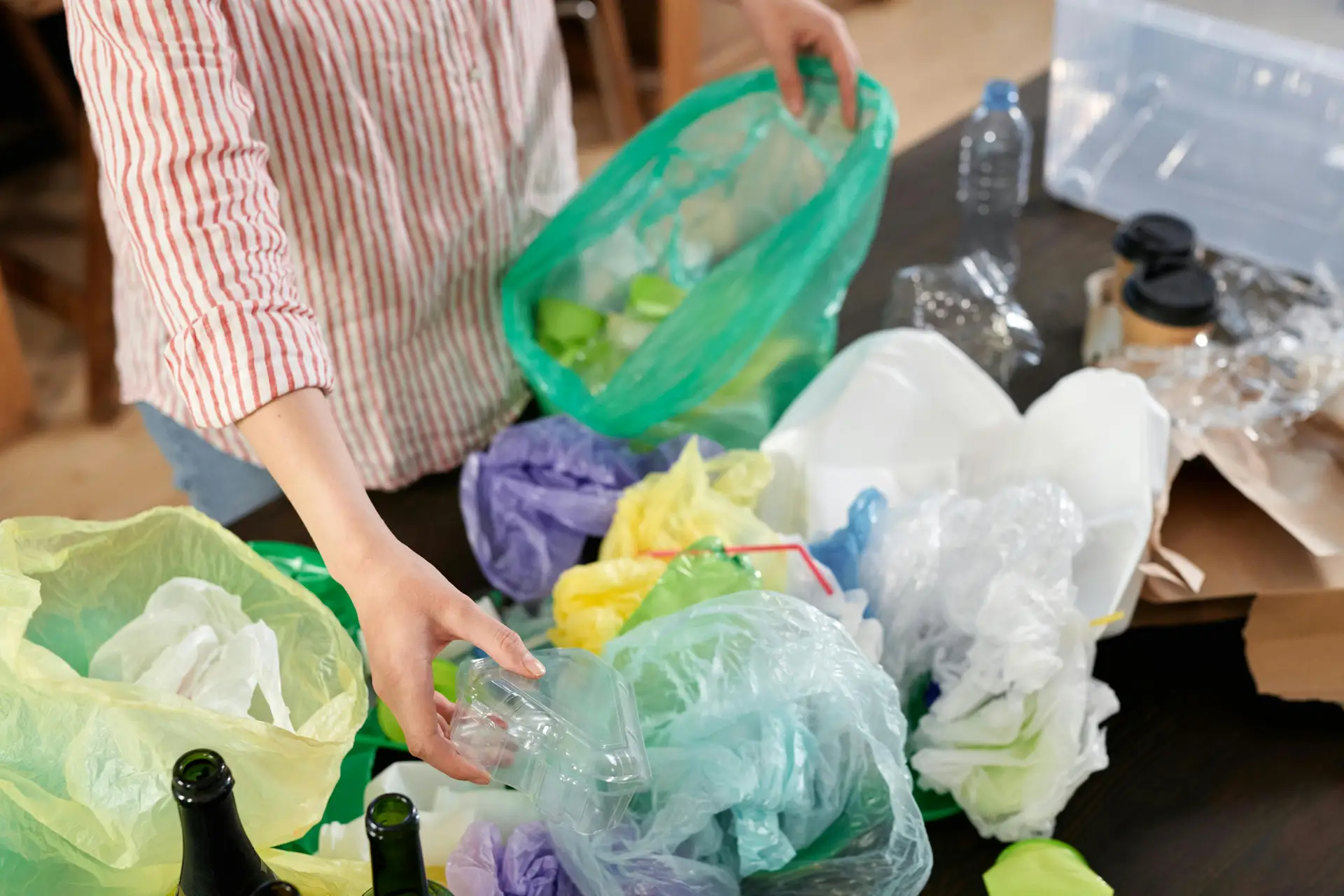
The No-No’s Of Waste Management
- Never dump rubbish in the natural landscape
- Don’t mix hazardous materials with household waste
- Don’t pour chemicals, oils or paints down drains
- Don’t burn rubbish – it releases harmful chemicals
- Don’t assume all plastics can be recycled
- Don’t overload bins with mixed waste
What Type Of Rubbish Do We Assist With?
At Markz Rubbish Removal, we help with most household, business, construction and green waste across Frankston and surrounding suburbs. From household waste to industrial clean-ups, we handle it all, except some hazardous or regulated items. We also offer professional removal for large loads and special waste types.
For advice on proper waste disposal or collection, chat with our team, check your local council guidelines, or visit Planet Ark’s Recycling Near You.